Source third party appraisal zircon pendant for gifts and parties
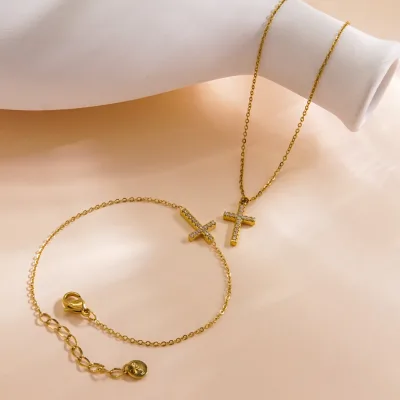
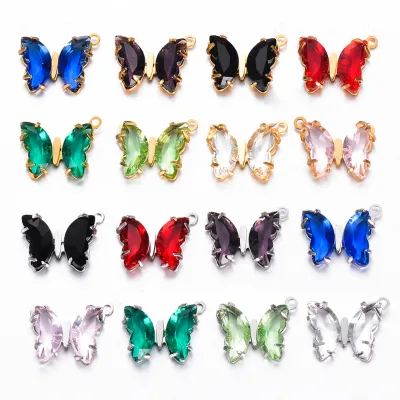
Explore 30 listings of third party appraisal zircon pendant options featuring stainless steel and alloy materials with gold or silver plating. Buyers can compare customization services, plating types, and model numbers for engagement, anniversary, and party occasions.
Key considerations
Products List




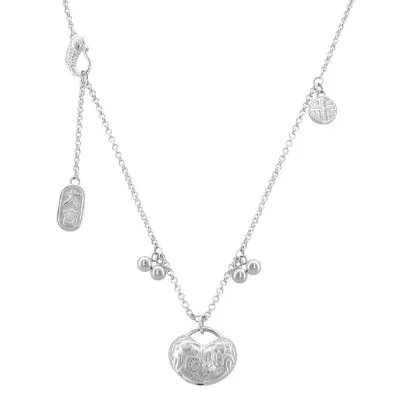
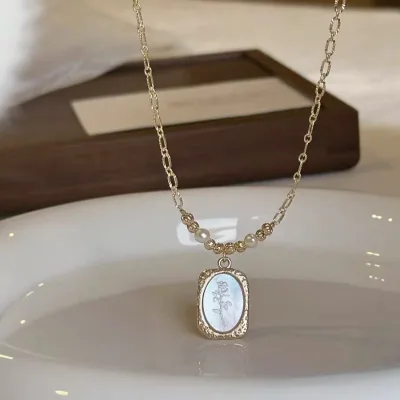
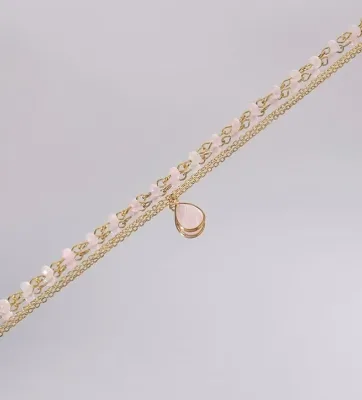
Comprehensive Sourcing Guide
Strategic Sourcing Guide for Third Party Appraisal Zircon Pendants
The global B2B market for costume and semi-fine jewelry has seen a significant surge in demand for customizable, high-visual-impact pieces that balance aesthetic appeal with cost-efficiency. Among these, the third-party appraisal zircon pendant has emerged as a critical category for retailers, gift shops, and corporate procurement teams. These items are distinct not merely for their visual composition but for the verification mechanisms that assure buyers of their material integrity and value proposition. Sourcing this specific product type requires a disciplined approach that navigates the intersection of aesthetic customization, material science, and rigorous compliance verification. This guide provides a comprehensive framework for buyers to evaluate suppliers, understand technical specifications, and mitigate procurement risks associated with zircon-based pendant jewelry.
Technical Specifications and Material Composition
Understanding the technical architecture of a zircon pendant is the first step in any successful sourcing strategy. The core material for the majority of these products is typically stainless steel or various alloy compositions, providing a durable foundation that resists tarnishing and corrosion. The visual premium is achieved through plating processes, where options such as 14K gold plating, 18K gold plating, and silver plating are standard. These plating layers are not merely cosmetic; they determine the longevity of the piece's finish and its resistance to skin contact issues.
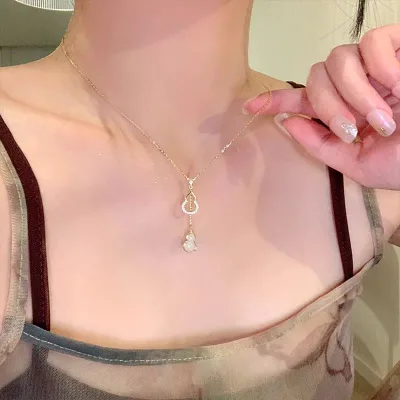
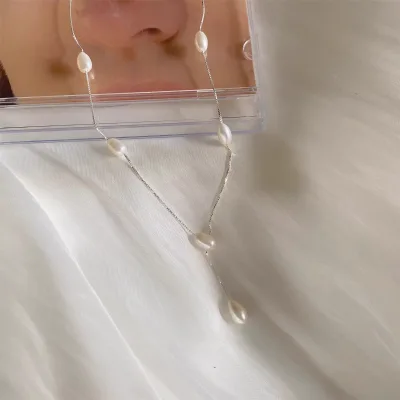
The central stone in these pendants is consistently identified as cubic zirconia (CZ), often graded as AAA quality to ensure high clarity and brilliance. While the term "zircon" is sometimes used colloquially, the specific product data indicates the use of synthetic cubic zirconia rather than natural zircon, which offers a more consistent and affordable alternative for mass production. The shapes of these pendants vary widely, ranging from classic letters and flowers to modern ovals, hearts, and charms. This versatility allows buyers to target diverse demographic segments, from those seeking personalized letter pendants to those looking for traditional floral or heart-shaped designs.
The physical dimensions and packaging are equally critical for logistics planning. Standard batch packaging often measures 5x5x5 cm, with a gross weight per batch of approximately 0.200 kg. This compact packaging is essential for minimizing shipping costs and maximizing container utilization. However, buyers must verify if these dimensions apply to single units or bulk batches, as this significantly impacts freight calculations. The selling units are frequently structured in multiples of 10, which suggests that inventory management and order fulfillment should be planned around these batch increments to avoid partial shipment complications.
Compliance Verification and Certification Protocols
The defining characteristic of the "third-party appraisal" keyword in this context is the requirement for independent verification of product quality. In the B2B jewelry sector, trust is the primary currency. Buyers must insist on documentation that validates the claims made by the supplier regarding material composition and stone quality. The presence of a "Third Party Appraisal" certificate is a specific attribute observed in the market, indicating that an external entity has assessed the product against defined standards.
However, the existence of a certificate does not automatically guarantee universal compliance across all listed products. Buyers should treat certification as an observation of specific listings rather than a blanket attribute of the entire category. When evaluating a supplier, the procurement team must request to see the actual appraisal documents. These documents should clearly state the testing methodology, the specific standards applied, and the identity of the third-party organization. The standard for these products is often listed as "customized," which implies that the testing criteria may vary based on the buyer's specific requirements or the destination market's regulations.
It is crucial to distinguish between general quality assurance and formal third-party appraisal. A supplier may claim to offer "Third Party Appraisal" services, but the buyer must verify if this service is included in the standard price or if it is an add-on cost. Furthermore, the certification type should align with the target market's import regulations. For instance, certain regions may require specific heavy metal content testing or nickel release limits that go beyond a general appraisal. Buyers should not assume that a certificate from one region is valid in another without explicit confirmation from the testing laboratory.
Cost Drivers and Pricing Dynamics
The pricing structure for third-party appraisal zircon pendants is influenced by a complex interplay of material costs, plating thickness, customization levels, and certification fees. The observed price range in the market spans from $0.12 to $102.50 USD, a wide variance that reflects the difference between basic alloy pendants and high-end, heavily plated, or custom-designed pieces. The lower end of the spectrum typically corresponds to standard alloy pendants with basic silver or gold plating and minimal customization. Conversely, the higher price points are associated with 18K gold plating, intricate designs, and the inclusion of third-party appraisal services.
The Minimum Order Quantity (MOQ) is another significant cost driver. While some suppliers may accept orders as low as 1 unit for sample purposes, the standard MOQ for production runs often sits at 500 pieces. This high threshold is necessary to amortize the costs of mold making and sample development. Buyers must calculate the total landed cost, including the unit price, tooling fees, and shipping, to determine the true cost per unit. The "Selling Units" being a multiple of 10 further complicates the cost analysis, as buyers may need to purchase slightly more than their immediate demand to meet batch requirements.
Customization plays a pivotal role in cost escalation. Services such as logo customization, OEM (Original Equipment Manufacturer) orders, and bespoke design services add layers of complexity to the production process. While the supplier profile indicates that OEM orders are accepted and logo customization is available, these services often incur additional setup fees. Buyers should negotiate these costs upfront and ensure that the price quoted includes all necessary tooling and sample charges. The "provide mould making and sample making service" attribute suggests that these are integral parts of the supplier's offering, but the cost allocation between the supplier and the buyer must be clearly defined in the contract.
Typical Applications and Market Segmentation
The versatility of zircon pendants allows them to serve a broad spectrum of applications, making them a staple for various retail channels. The primary occasions for these products include gifts, parties, anniversaries, and engagements. This wide range of use cases means that a single product line can cater to multiple market segments simultaneously. For example, a letter-shaped pendant with a specific initial can be marketed as a personalized gift, while a flower or heart-shaped pendant might be positioned as a romantic engagement accessory.
The "Unisex" gender attribute expands the potential market further, allowing buyers to target both male and female consumers. This is particularly relevant for fashion-forward brands that emphasize inclusivity. The "Classic" and "Fashion" style attributes indicate that these pendants can fit into both timeless jewelry collections and trend-driven seasonal lines. The "Decoration" usage category also suggests that these items can be used in interior design or as part of larger gift sets, not just as wearable jewelry.
In the corporate sector, these pendants are often utilized as promotional items or employee appreciation gifts. The ability to customize the logo and the relatively low unit cost make them ideal for bulk corporate orders. However, the requirement for third-party appraisal adds a layer of prestige that can elevate the perceived value of the gift, making it more suitable for high-profile corporate events or executive-level recognition. Buyers should align their product selection with the specific occasion and the target audience's expectations to maximize the return on investment.
Supplier Evaluation and Quality Control Standards
Selecting the right supplier is perhaps the most critical decision in the procurement process. The supplier profile indicates that the place of origin is Hubei, China, a region known for its jewelry manufacturing capabilities. When evaluating potential partners, buyers should look for a comprehensive service offering that includes OEM, ODM, and design services. The presence of "Longlike" as a factory brand suggests a specific level of established manufacturing capability, but buyers should verify if this is the actual factory name or a trading entity.
Quality control must be integrated into every stage of the supply chain. Given the "Third Party Appraisal" requirement, the supplier must have a robust internal quality assurance system to ensure that the products meet the criteria before they are sent for external testing. Buyers should request a detailed quality control plan that outlines inspection points for plating thickness, stone setting security, and overall finish. The "Customized" standard attribute implies that quality benchmarks may vary, so buyers must define their own acceptance criteria and ensure the supplier is capable of meeting them.
The "OEM Order: Accept" and "Customization: Available" attributes indicate a high level of flexibility, but this flexibility must be managed carefully. Buyers should establish clear communication channels for design approvals and sample validation. The "Sample Making" service is a vital tool for verifying quality before committing to a large order. It is advisable to order samples from multiple suppliers to compare the quality of plating, the clarity of the zircon stones, and the accuracy of the customization. The "Multiple of 10" selling unit constraint should also be factored into the sample ordering process to ensure that the sample reflects the final production batch.
Long-Term Procurement and Strategic Partnerships
Building a long-term relationship with a reliable supplier is essential for maintaining consistency in product quality and supply chain stability. The "Customized" nature of the product standard suggests that the relationship will involve ongoing collaboration and iterative improvements. Buyers should look for suppliers who are willing to invest in the development of new designs and who can adapt to changing market trends. The "Service: OEM ODM, Designs Service" attribute highlights the supplier's capacity for innovation, which is crucial for staying competitive in the fast-paced jewelry market.
Sustainability and ethical sourcing are becoming increasingly important in the B2B jewelry sector. While the provided data does not explicitly mention sustainability certifications, buyers should inquire about the sourcing of raw materials, particularly the alloys and plating metals. Ensuring that the supplier adheres to ethical labor practices and environmental standards can mitigate reputational risks and align with the values of modern consumers. The "Third Party Appraisal" can be extended to include social compliance audits, providing a holistic view of the supplier's operations.
Finally, buyers must consider the scalability of the supply chain. As demand grows, the supplier must be able to increase production capacity without compromising quality. The "MOQ: 500PCS" indicates a baseline capacity, but buyers should discuss the supplier's ability to handle larger orders and manage lead times during peak seasons. The "Lead Time" is not explicitly stated in the provided facts, so buyers must negotiate this metric explicitly in their contracts to ensure timely delivery. By focusing on these strategic considerations, buyers can build a resilient supply chain that supports long-term growth and market success.
FAQs
What certification is required for third party appraisal zircon pendant?
A Third Party Appraisal certificate is required to verify product quality. This document must be issued by an external entity to validate material integrity and stone clarity before bulk shipment.
Which plating options are available for third party appraisal zircon pendant?
Available plating options include 14K Gold Plated, 18K Gold Plated, and Silver Plated. These layers ensure durability and resistance to tarnishing while providing a premium visual finish for the zircon stones.
Can I customize the logo on third party appraisal zircon pendant?
Yes, logo customization is available for this product category. Buyers can request bespoke designs and OEM services, though setup fees may apply depending on the complexity of the mold making required.
What is the minimum order quantity for third party appraisal zircon pendant?
The standard minimum order quantity is 500 pieces for production runs. Some suppliers may accept lower quantities for samples, but bulk orders typically require meeting this threshold to amortize tooling costs.
How is the third party appraisal zircon pendant packaged for shipment?
Standard batch packaging measures 5x5x5 cm with a gross weight of 0.200 kg per batch. Items are often sold in multiples of 10 to facilitate inventory management and shipping efficiency.
Where are the third party appraisal zircon pendant manufacturers located?
Manufacturers are located in Hubei, China, a region known for jewelry production. Buyers should verify specific factory locations as this origin is standard for the observed product listings and certifications.